Putting the \"CHI\" in Qigong
"A rose by any other name would smell as sweet."
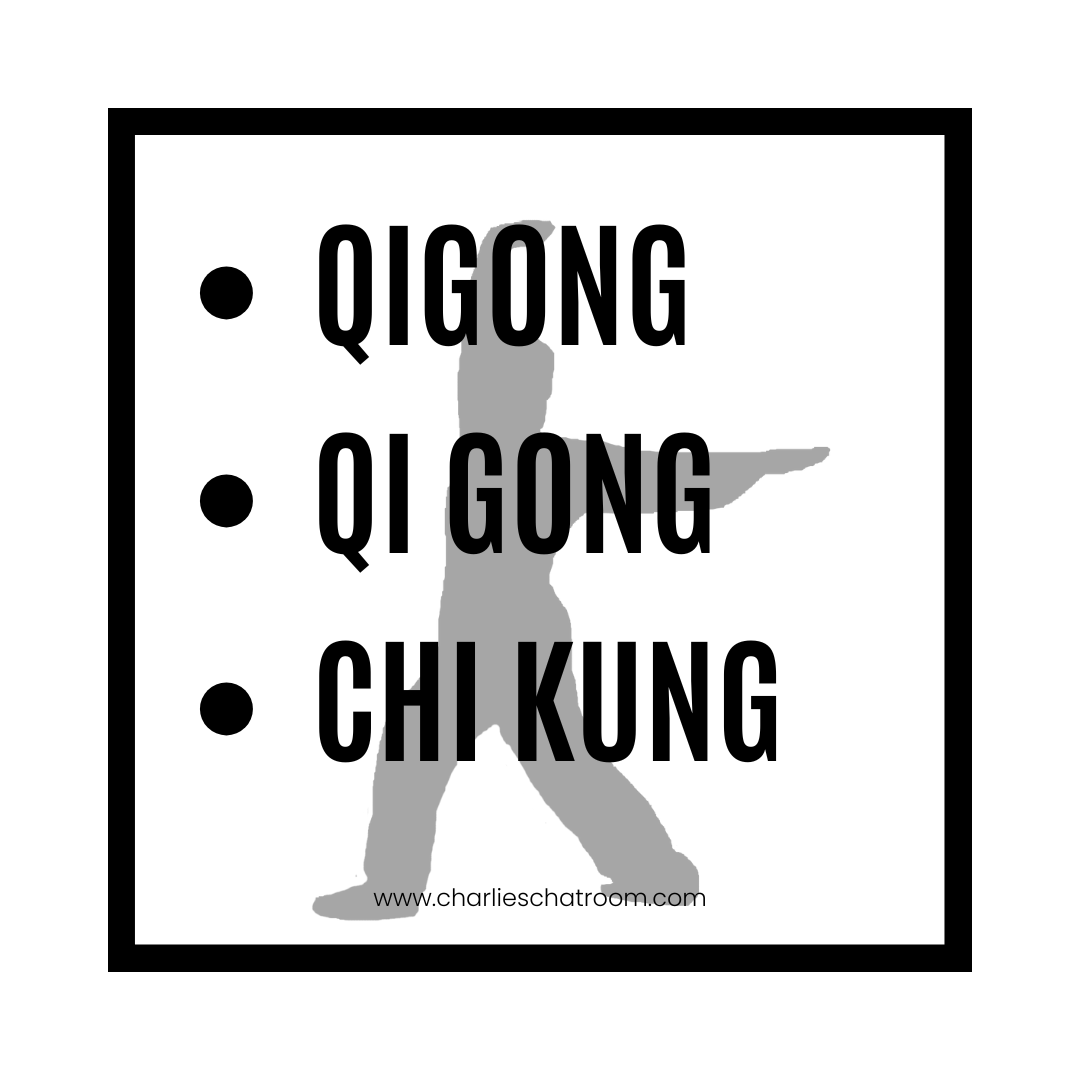
Qigong is the most widely recognized spelling in English, using the pinyin romanization system for Mandarin Chinese.
Chi Kung spelling uses the older "Wade-Giles" romanization system, which is still seen in some older texts.
Qi Gong variation uses the simplified spelling of "Qi" instead of "Chi."
What is Qigong?
Qi Gong (pronounced "chee gong") is a mind-body practice originating in ancient China that combines gentle movements, breathing techniques, and meditation. It aims to cultivate and balance Qi (pronounced "chee") within the body. Qi is often translated as "life force" or "vital energy," or even "Air" and "breath."
"CHI"
In Chinese medicine, Qi is believed to be essential for health and well-being. Imbalances or blockages in Qi flow are thought to contribute to illness. It is a key concept in practices like acupuncture, Qigong, and Tai Chi, where techniques are used to cultivate, balance, and direct Qi for healing and well-being.
"Gong"
The literal translation of gong is "Work," "skill," or "achievement." In the Western world, gong is also interpreted as “exercise,” in which qigong takes the meaning “energy exercise.”
Gong refers to the cultivation of skill, mastery, or achievement through dedicated practice and effort. It embodies the idea that through consistent effort, one can achieve mastery over a specific skill or discipline. It is used in conjunction with other terms to describe specific practices, like Qigong (Qi cultivation work) or Kung Fu (skill of combat).
Qigong As A Practice
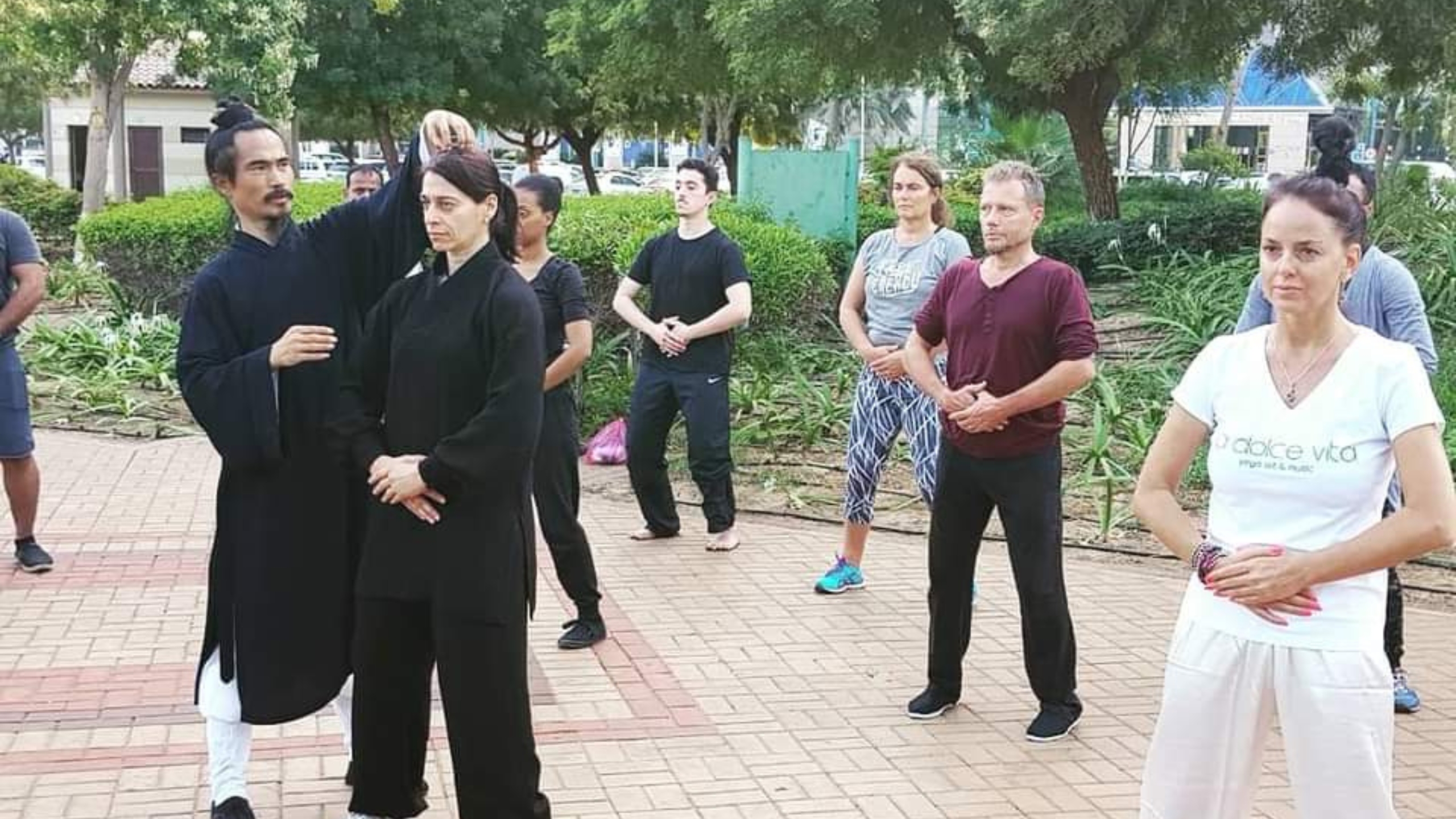
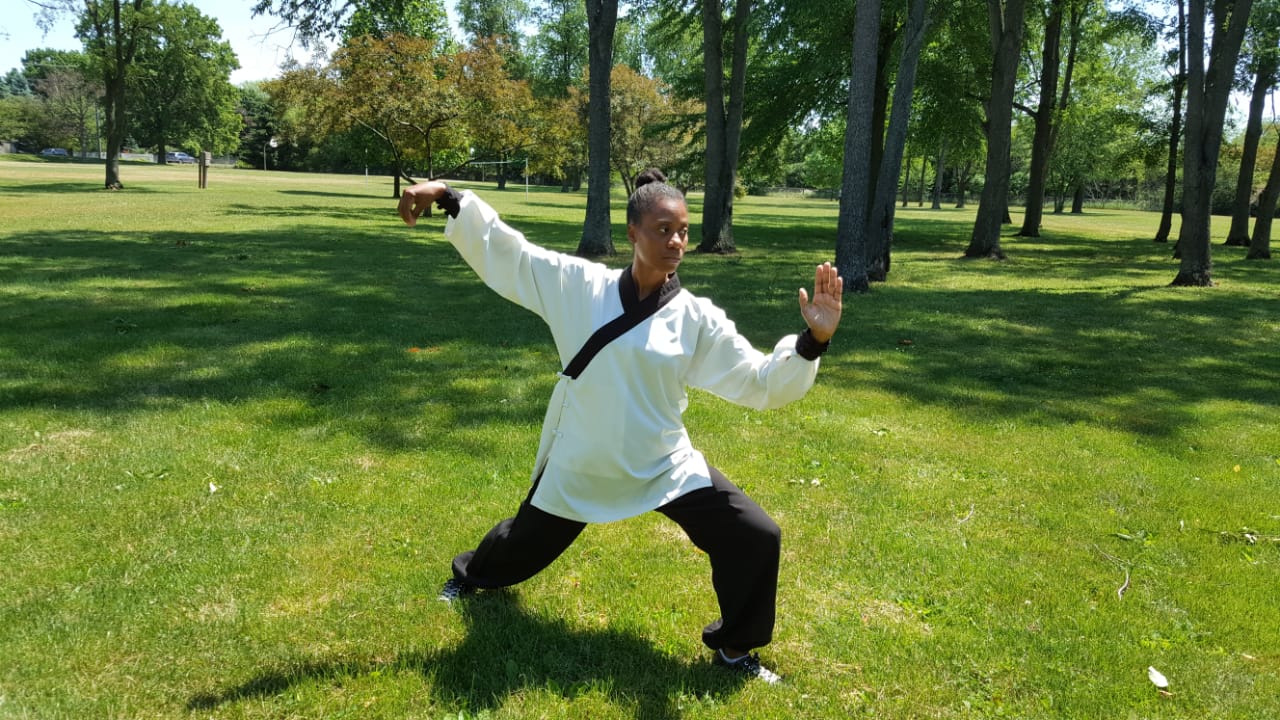
Qigong is a practice that incorporates breathing techniques and specific movements and postures to help adjust balance in a practitioner’s body and mind, heighten feeling, internal awareness, and bodily communication, and to promote an overall more balanced and healthy existence.
As a result of aligning the consciousness and the body in more harmonious communication with each other, we find the body healthier, with a stronger immunity to protect against invasive forces like sickness and disease.
*Disclaimer - This is a short synopsis of qigong and in no way covers the expanse of the different qigong sets, styles, and hundreds of years of history. Also be aware that the western interpretation of eastern philosophy and arts can lose certain elements in translation due to cultural and linguistic differences.
Hey, I'm Charlie!
My passion is inspiring individuals to unlock their inner strength. As a podcaster and coach, I get to share practical guidance to empower others on their journey to an impactful life. Charlie’s Chat Room is all about creating a unique blend of motivation and action.