Tai Chi Versus Yoga
COMMON MISCONCEPTIONS
cleared up
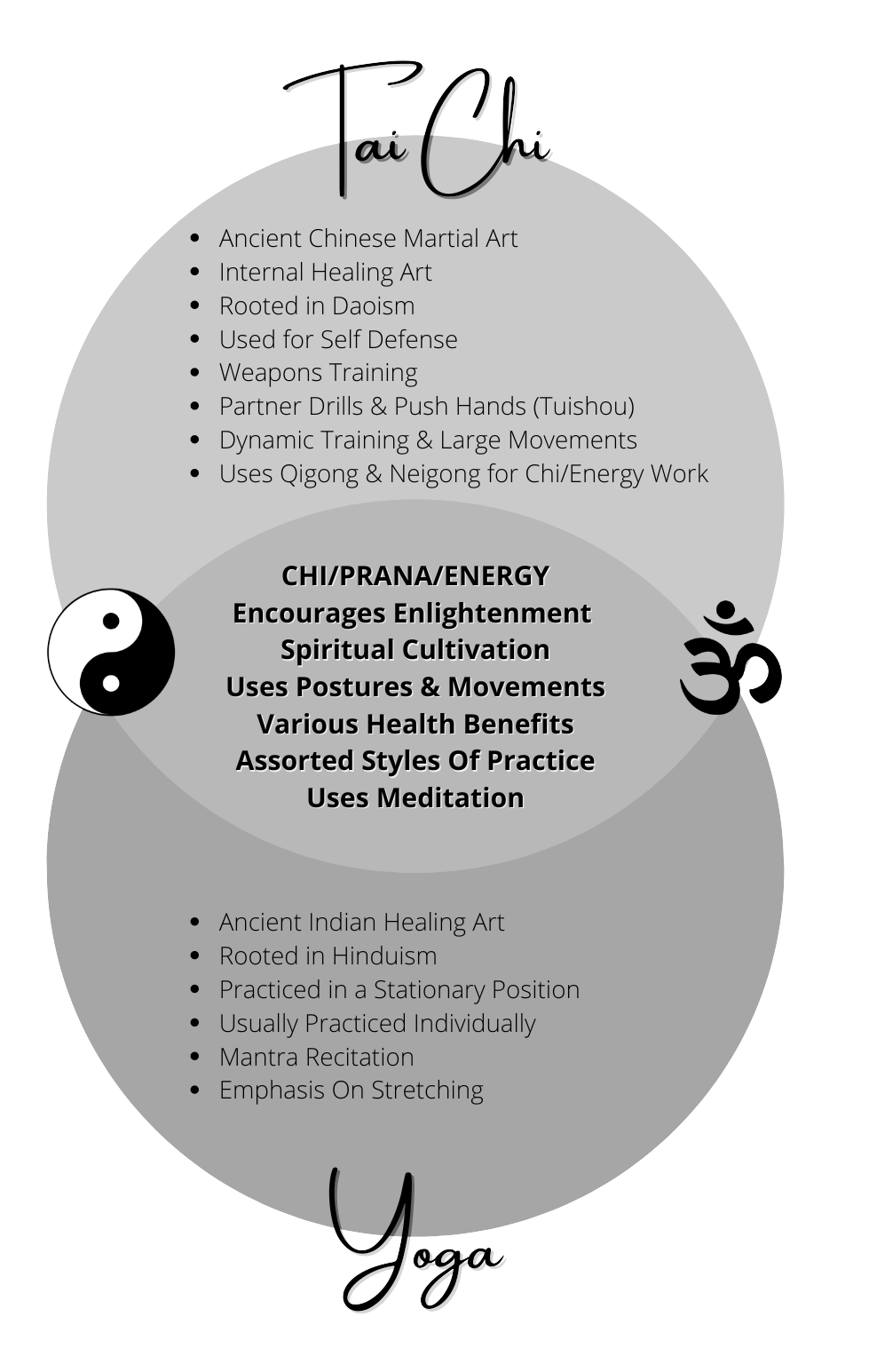
Tai Chi & Yoga are NOT the same.
Tai Chi IS a Martial Art.
Tai Chi & Yoga are NOT solely for learning to relax.
Tai Chi DOES contain hard aspects in its forms.
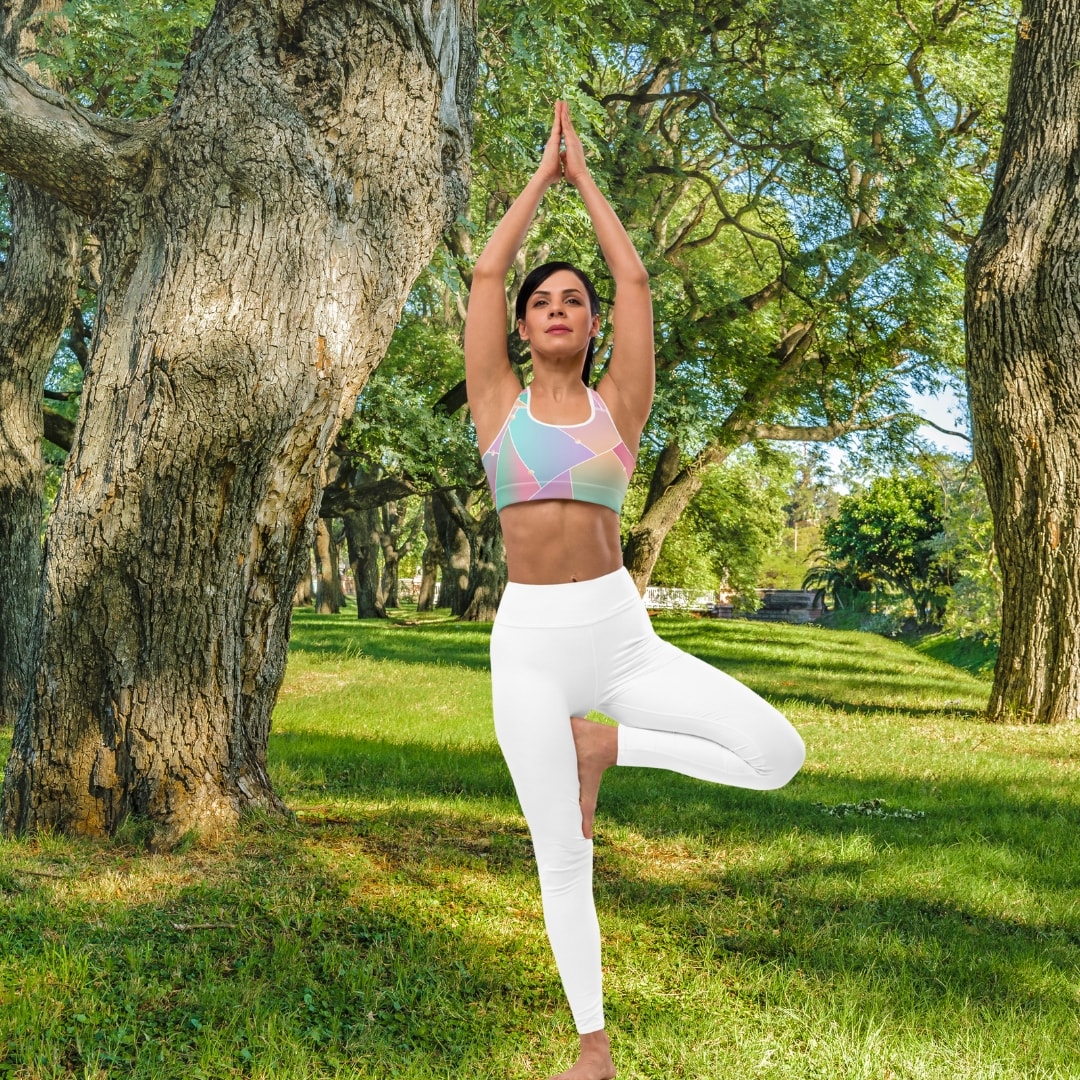
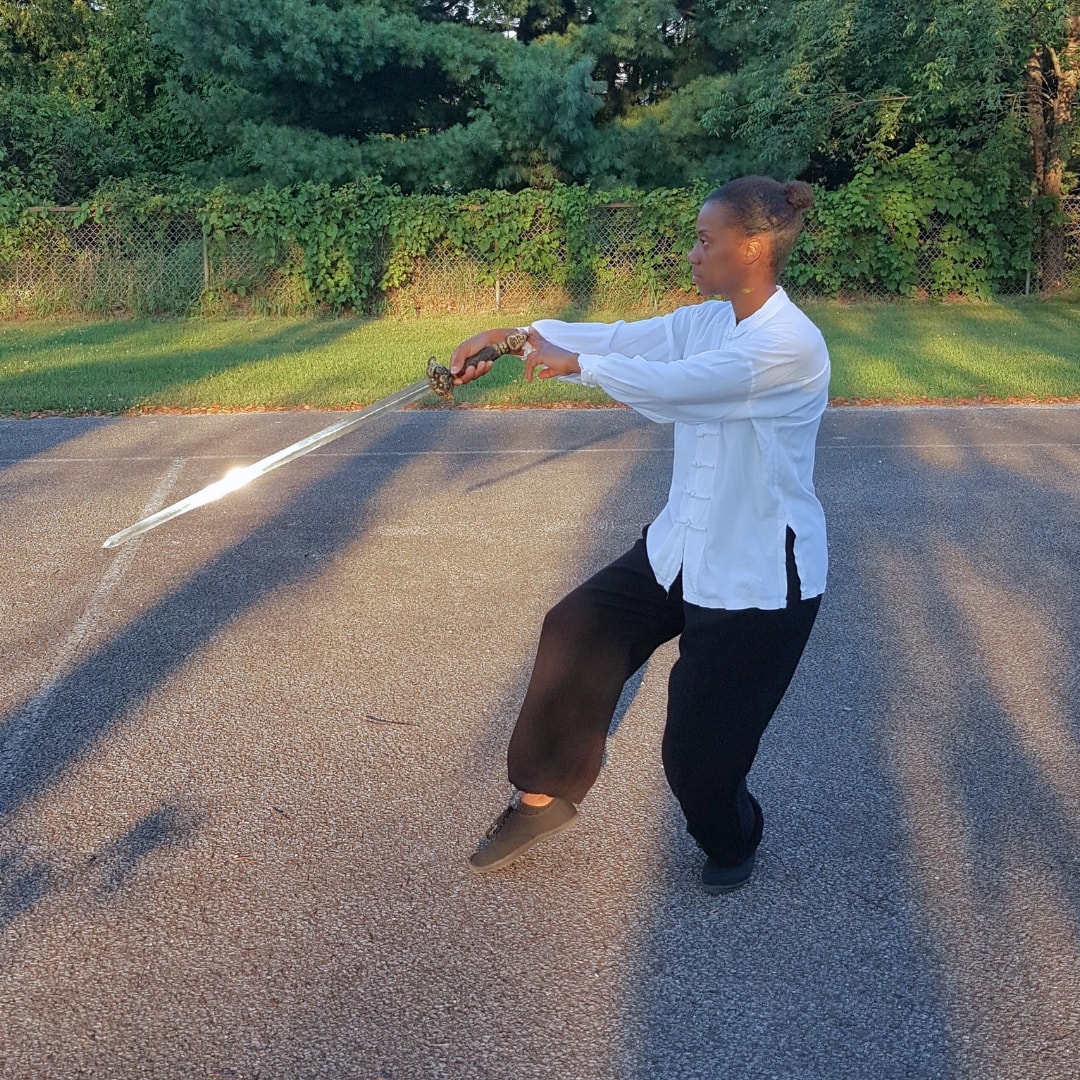
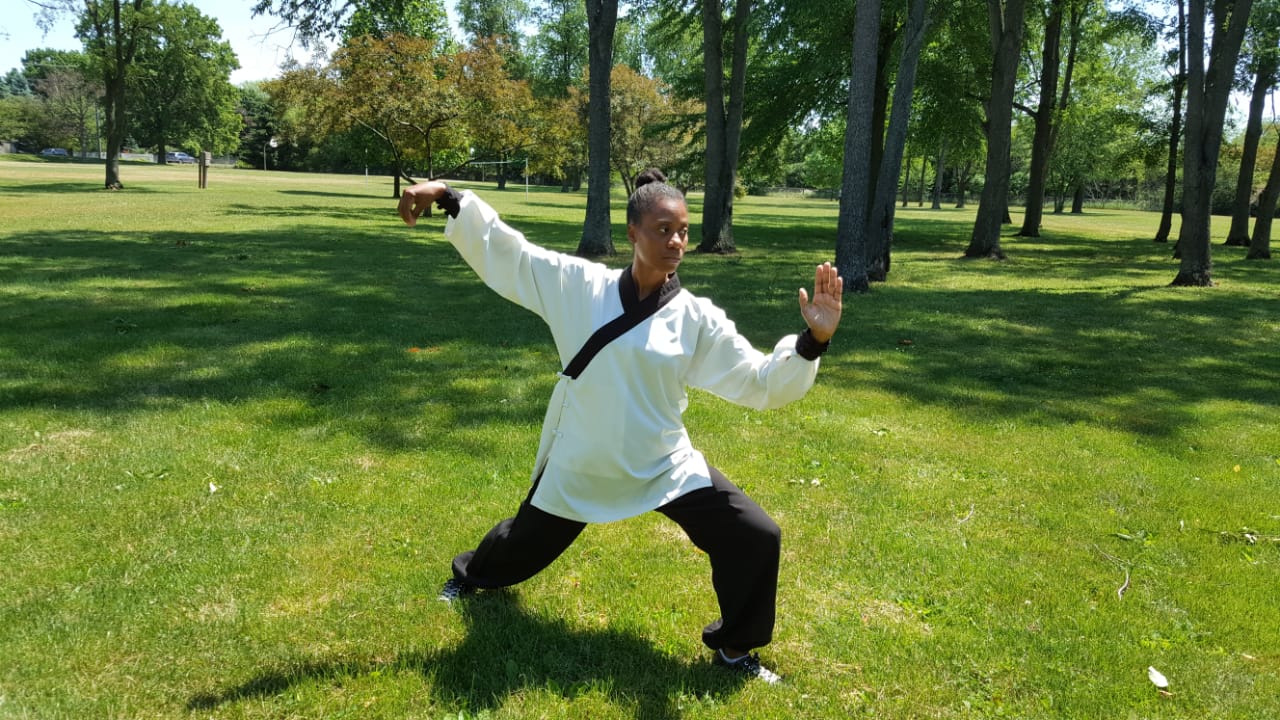
As a Tai Chi instructor I get the frequent assumption and question, “Is it like Yoga?” To which I kindly reply, “No, it is not the same as yoga.”
Even so, they do have some overlapping qualities. And from those few similarities, Tai Chi regularly gets lumped into an exercise option for health and wellness, negating its martial element which makes it dynamic and whole.
What is Tai Chi?
Tai Chi Chuan is an ancient Chinese, internal Martial Art designed to create balance in the body and spirit. It dates back more than 700 years. Tai Chi is the balancing interaction of yin and yang, and translated to English Tai Chi means “the cosmos” or “supreme ultimate.”
In a holistic form Tai Chi Chuan combines martial arts, internal energy flow, health benefits, spiritual development and Daoist philosophy.
It emphasizes the development of "internal power" or "jing," which isn't about brute force, but generating power through relaxed and focused movement, coordinating breath, and channeling energy.
Tai Chi Chuan movements are slow and deliberate, allowing for precise control and awareness of the body's energy. This meticulousness allows practitioners to develop a deep understanding of their own body mechanics and how to move with efficiency and power.
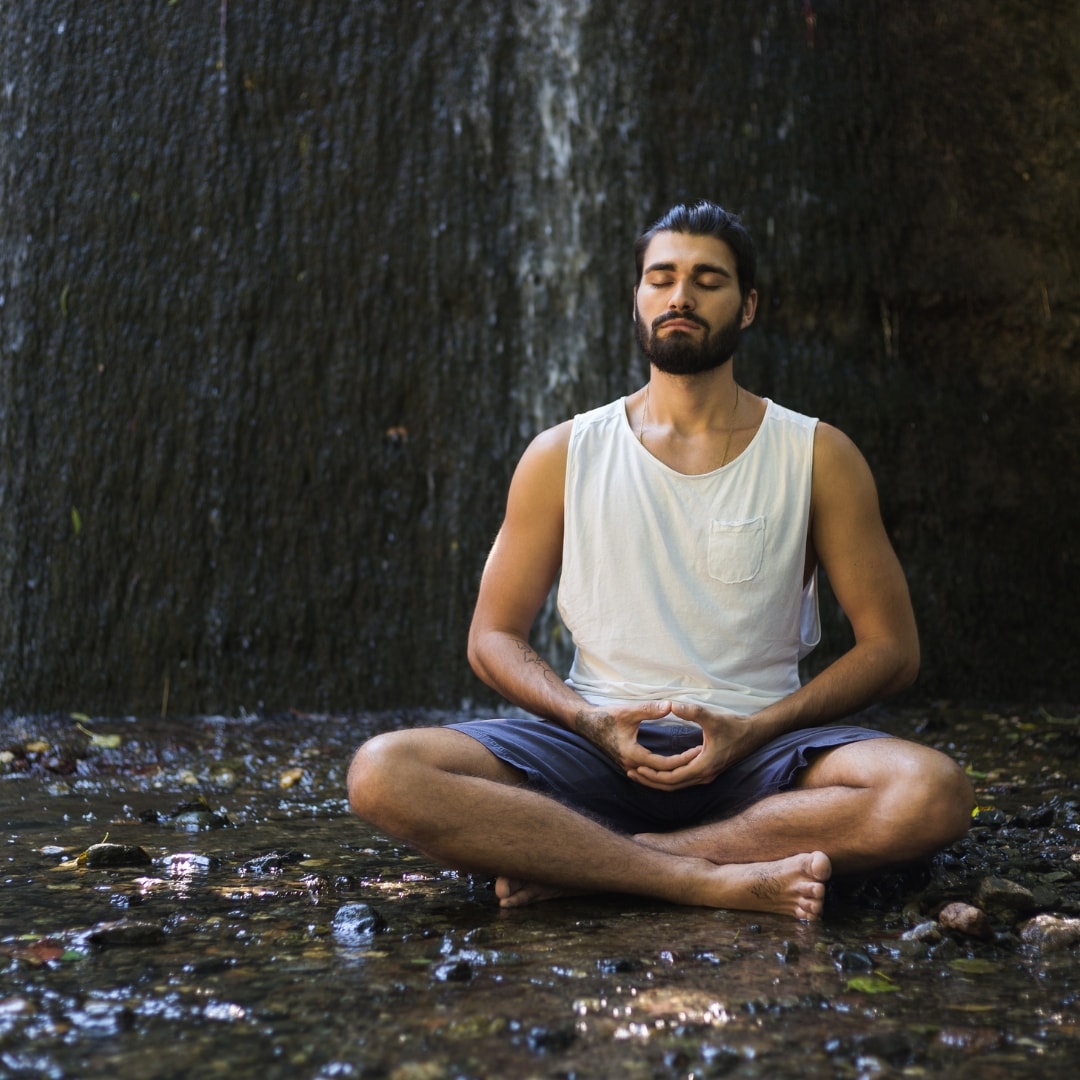
Practice often incorporates elements of meditation and mindfulness, promoting a calm and focused mind. This helps practitioners to be fully present in the moment, anticipate their opponent's movements, and respond with precision. The core principles of Tai Chi flow seamlessly with our personal lives, and we utilize them as philosophy for a better quality of life internally and externally.
What is Yoga?
The word “Yoga” means “union or yoking” with the Supreme Spirit. Translated from its Sanskrit origin, yoga is derived from the root “yujr/yujir or yuj” which means “to attach, join, harness, yoke.” Sadhguru explains the word “Yoga” essentially means, “that which brings you to reality.” It was traditionally handed down from teacher to student as a one-to-one transmission, but since yoga became popular in the 20th century, group classes have become the norm.
The practice of yoga, or being a yogi, aims to create harmony between body, mind and spirit, as well as between the individual self and universal consciousness. Modern yoga is most commonly associated with the physical practice of Asana, a series of postures.
Patanjali's Yoga Sutras provide the traditional foundation of yoga. He outlines an eight-fold path known as the “Eight Limbs of Yoga” that offers a guide to individuals who are dedicated to neutralizing ego-driven thoughts and behaviors to create a sense of spiritual awakening.
The Comparison
Tai Chi and yoga originate from different cultures and traditions. However, both practices emphasize a deep connection between mind and body while focusing on using movements and mindful breathing for achieving holistic health and balance.
Today, yoga encompasses a wide range of styles, incorporating elements from various schools and traditions.
Like yoga, Tai Chi is a practice with a wide range of styles, each offering unique benefits and approaches. Whether you're drawn to the flow of Yang style, the energetic power of Chen style, or the deep stances of Wudang style. There's a style of Tai Chi out there to suit your individual preferences and goals.
*Disclaimer - This is a short synopsis of Tai Chi and yoga, and in no way covers the expanse of the these arts and thousands/hundreds of years of history they hold. Also be aware that the western interpretation of eastern philosophy and arts can lose certain elements in translation due to cultural and linguistic differences.
Hey, I'm Charlie!
My passion is inspiring individuals to unlock their inner strength. As a podcaster and coach, I get to share practical guidance to empower others on their journey to an impactful life. Charlie’s Chat Room is all about creating a unique blend of motivation and action.