The Tiger
Wudang WuXing Qigong
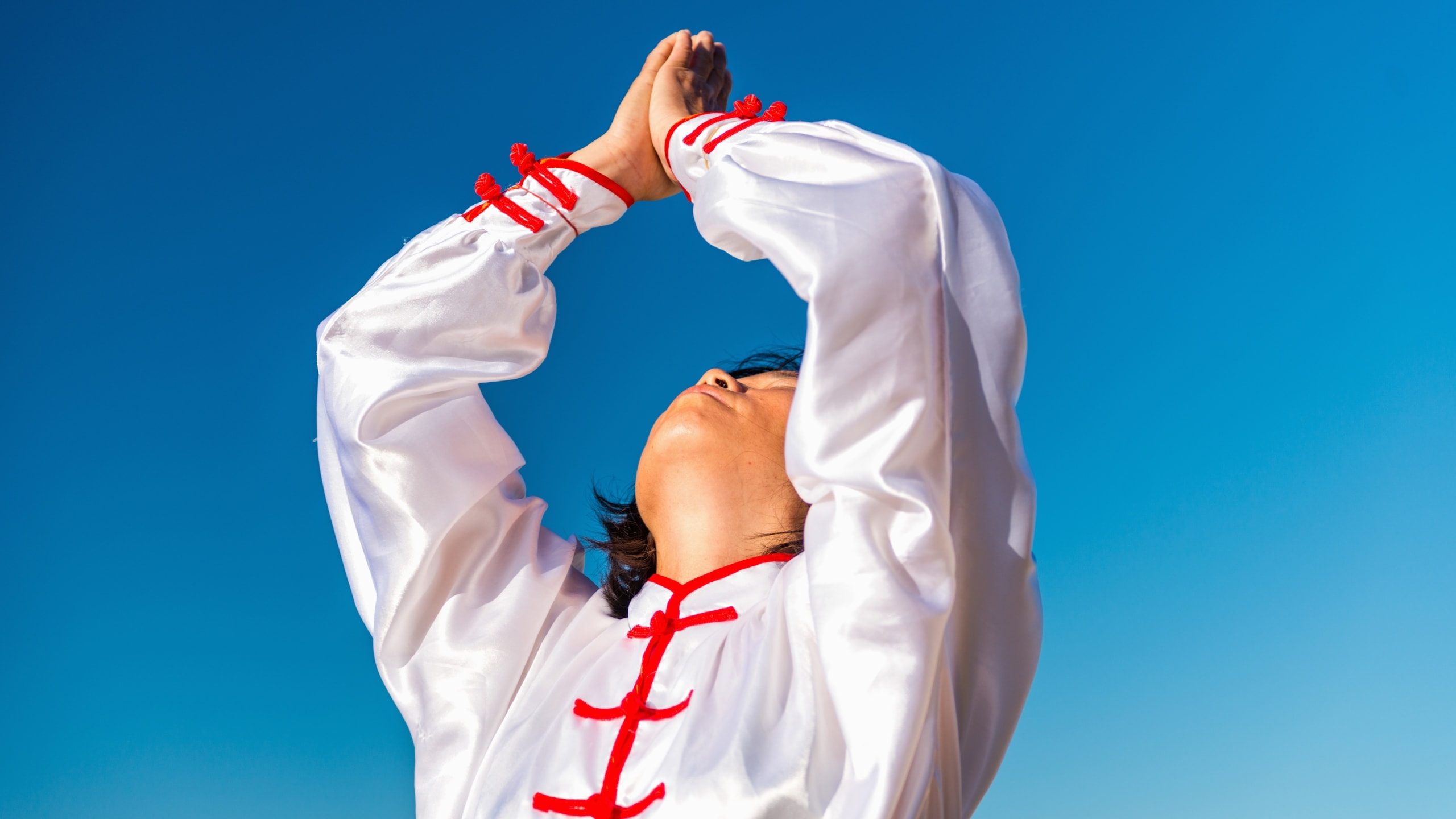
Withing the Five Elements set, second follows the strong horse stance of Tiger. This animal focuses on opening and strengthening the pathways to the lungs. A common problem when practicing these movements is a shortness of breathe. Tiger works to open and relax these passages and meridians to also help shed emotions, such as grief and depression, and create healthy circulation.
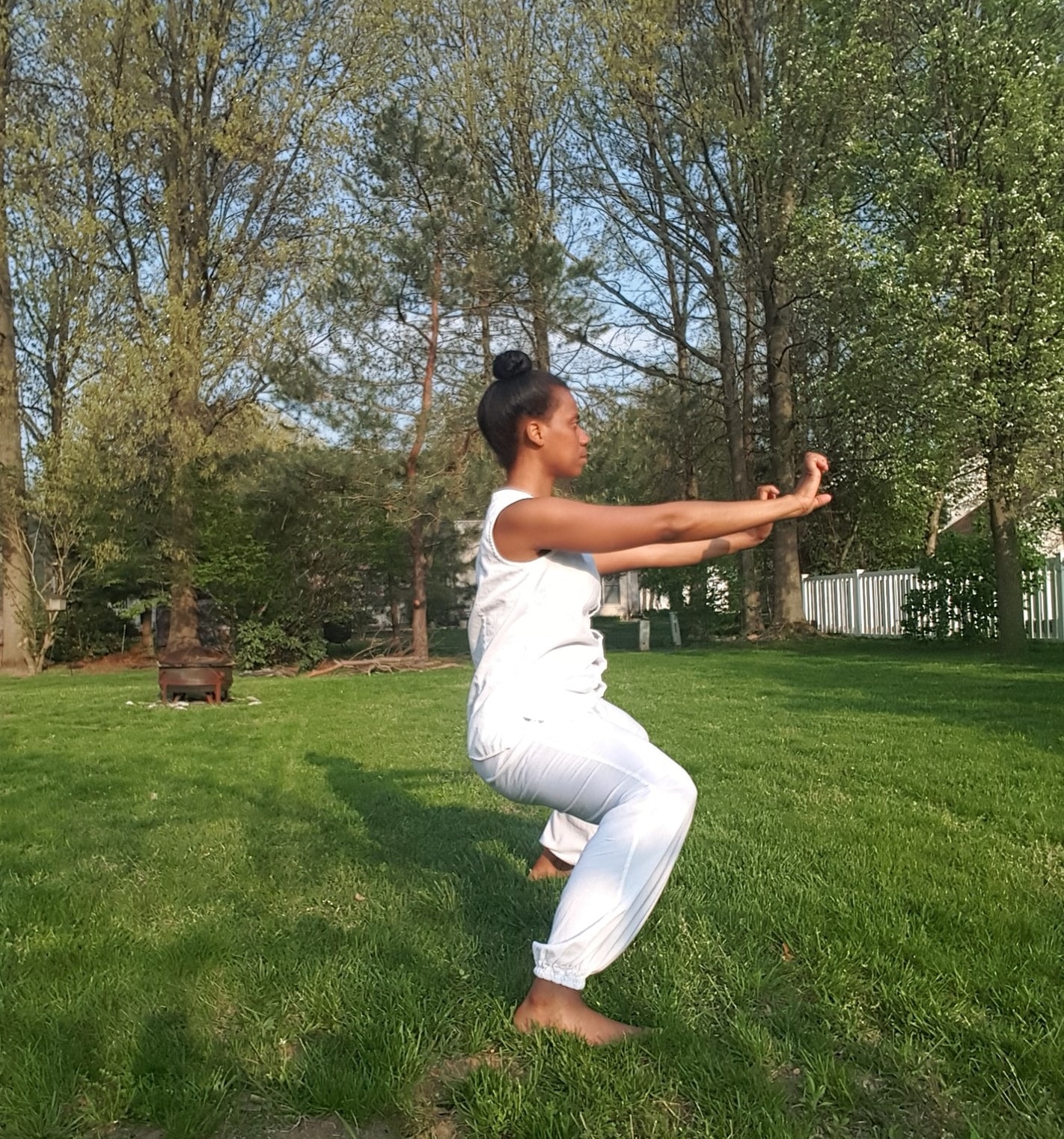
This qigong posture offers a powerful and accessible method to help individuals manage difficult emotions like grief and depression by calming the nervous system and promoting relaxation.
The Nervous System: Our breath is directly connected to our nervous system. When we breathe deeply and slowly, we activate the parasympathetic nervous system, which promotes relaxation, calms the mind, and helps regulate emotions.
The Vagus Nerve:The vagus nerve, which plays a crucial role in regulating mood and stress responses, is also closely tied to breathing. Deep, diaphragmatic breathing can stimulate the vagus nerve, promoting a sense of calm and reducing anxiety.
Stress Hormones: When we're in a state of stress, anxiety, or grief, our breathing patterns tend to become shallow and rapid, further fueling the stress response and contributing to negative emotions.
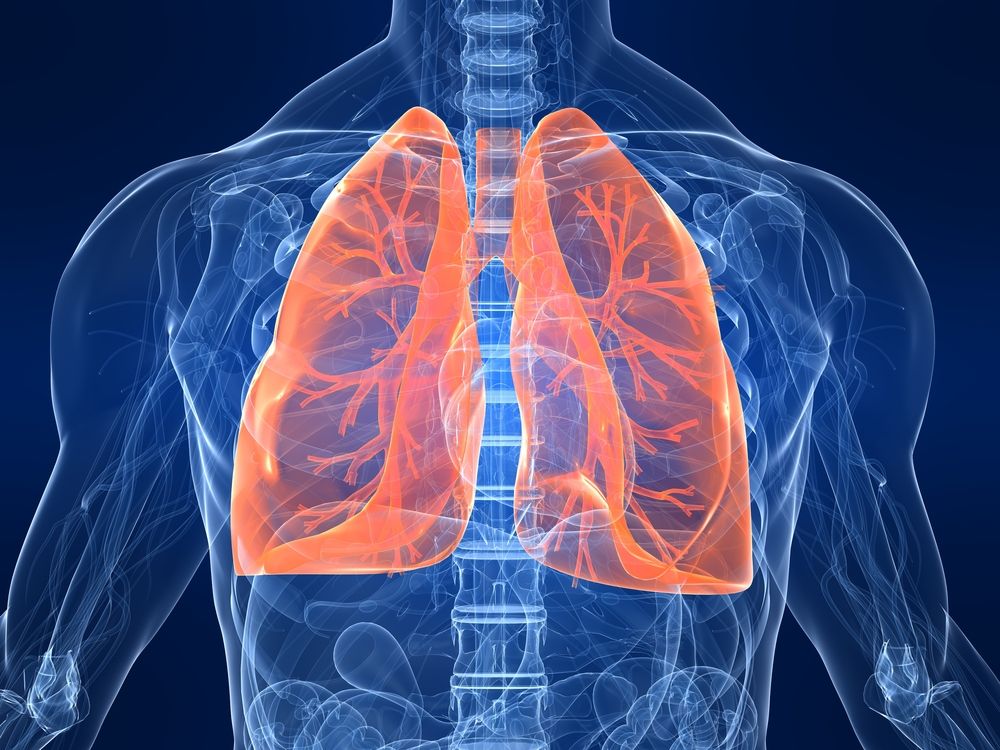
Oxygen is inhaled through the nose or mouth, transported to the lungs, processed into the bloodstream, then blood processes back into the lungs carrying waste like carbon dioxide from bodily gases and is breathed back out. This process repeats through inhalations and exhalations. The bloodstream transports oxygen to all our vital organs.

Hey, I'm Charlie!
My passion is inspiring individuals to unlock their inner strength. As a podcaster and coach, I get to share practical guidance to empower others on their journey to an impactful life. Charlie’s Chat Room is all about creating a unique blend of motivation and action.